
News
As the year comes to a close, we look back at the 3rd AIoTwin Summer School, held in June in conjunction with the SpliTech 2025 Conference. The summer school brought together PhD students, researchers, and industry professionals to explore key challenges and advances in Artificial Intelligence of Things (AIoT), edge intelligence, and distributed AI systems.
The programme featured a strong lineup of keynote lectures covering trustworthy decentralized infrastructures using blockchain technologies, human–robot interaction, and artificial intelligence–driven next-generation 6G networks.
In addition, a series of in-depth tutorials addressed current research and practical challenges, including machine learning under data distribution shifts, neural network compression for resource-constrained devices, time-series forecasting methods, edge load-balancing strategies for multi-camera object tracking in urban traffic scenarios, and decentralized training of graph neural networks for vehicle speed prediction.
Hands-on workshops showcased two open-source solutions developed within the AIoTwin ecosystem: the AIoTwin middleware for orchestrating hierarchical federated learning across large numbers of clients, and the SmartEdge toolchain for developing collaborative applications over dynamic, semantically described edge networks.
The summer school also included a dedicated thematic session at the SpliTech 2025 Conference on Artificial Intelligence of Things and Edge Intelligence. Topics ranged from AIoT architectures and edge AI algorithms to real-time data processing, continual learning, security, privacy, energy efficiency, and communication protocols. Participants additionally had the opportunity to attend broader conference sessions, fostering networking and knowledge exchange across academia and industry.
This video highlights the key moments, discussions, and collaborations that defined the 3rd AIoTwin Summer School and contributed to its success.

The main results and achievements of the AIoTwin project were presented on December 5, 2025 at the 9th International Workshop on Advanced Cooperative Systems (IWACS 2025). The event was organized by the DATACROSS project and the Centre of Research Excellence for Data Science and Cooperative Systems at UNIZG-FER, providing a vibrant platform for engaging the national research community.
Prof. Ivana Podnar Žarko, AIoTwin Project Coordinator, stressed that the project has successfully achieved its primary goal: to significantly strengthen the scientific excellence and innovation capacity of UNIZG-FER in the field of Artificial Intelligence of Things (AIoT) and edge AI.
The following measurable achievements demonstrate the impact of the AIoTwin project in boosting research capacity and collaboration:
- 7 joint research papers co-authored with researchers from partner institutions
- 6 scientific trainings of doctoral students (short-term staff exchanges) at partner institutions in Europe
- 5 software components released as open-source software in the field of AIoT
- 4 project proposals with AIoTwin partners submitted to calls under Horizon Europe
- 3 successful international summer schools organized (Šibenik 2023, Dubrovnik 2024, Split 2025)
Special attention was given to present key results from the project research component: the Orchestration Middleware for Cloud-Edge-IoT continuum. Prof. Podnar Žarko highlighted advancements in:
- Reactive Orchestration for Hierarchical Federated Learning: Methods for dynamically managing federated learning pipelines to ensure resilience and communication efficiency.
- QoS-Aware Load Balancing in the Computing Continuum: Techniques for maintaining predefined service quality metrics (QoS) across heterogeneous cloud and edge resources under variable workloads, nodes and network conditions.
The AIoTwin project was represented on December 3, 2025 at the national webinar organized by the Agency for Mobility and Programs of the European Union, dedicated to the Twinning instrument of the Horizon Europe program.
The event, which targeted researchers and administrative staff, focused on providing key information for achieving a successful Twinning application during the final call in 2026 under Horizon Europe.
Prof. Ivana Podnar Žarko, AIoTwin Project Coordinator, participated as a panelist in the featured discussion and shared first-hand experiences from coordinating the AIoTwin Twinning project.
The panel discussion offered comprehensive, practical advice covering the entire project lifecycle:
- Preparing a Winning Proposal: Strategies and key elements required for a successful application.
- Project Execution and Impact: Main challenges encountered during project execution and methods for maximizing research and institutional impact.
- Project Outcomes: Concrete examples of knowledge transfer and capacity building achieved through Twinning.
AIoTwin is a prime example of how Twinning funding can be used to accelerate research capacities and build strong research networks in advanced fields such as AIoT, Edge AI, and the Cloud-Edge-IoT continuum.
IoT applications are increasingly pushing the limits of cloud-only architectures. From autonomous driving to real-time monitoring, many services need ultra-low latency and can’t rely on distant cloud servers alone. In our latest AIoTwin blog post, Ivan Čilić breaks down how the Computing Continuum (CC) can meet these demands—and why adaptive, QoS-aware load balancing is essential for reliable performance.
This work comes from his doctoral research at FER and ongoing collaboration with the DSG Group at TU Wien as part of the AIoTwin project.
Key highlights:
- How dynamic conditions in the CC break traditional load-balancing approaches
- Introducing QEdgeProxy — a decentralized, QoS-aware load balancer
- How QEdgeProxy uses local data to learn which service instances meet QoS requirements in real time
- How a Kubernetes-based implementation enables lightweight, scalable deployment
Ivan’s work shows that decentralized QoS-aware load balancing is not only feasible but necessary to keep edge services responsive under real-world conditions.
Read the full post here.

Cities today generate massive volumes of mobility data through sensors such as cameras, GPS, and roadside units. Traditional cloud-based systems struggle to process this data efficiently, particularly when real-time responsiveness is required. In a new AIoTwin blog post, Ivan Kralj explores how cloudlets, Edge AI, and adaptive learning are enabling scalable and accurate traffic prediction for smart cities.
This work originates from Ivan’s research exchange in Sweden and ongoing collaboration with RISE Research Institutes of Sweden.
Key Highlights:
-
Traffic prediction is uniquely challenging due to the interconnected, dynamic nature of road networks.
-
Fully centralized systems face limitations in scalability, latency, and reliability.
-
Semi-decentralized training of Spatio-Temporal Graph Neural Networks (ST-GNNs) across distributed cloudlets improves resilience and efficiency.
-
Sudden traffic events require specialized evaluation metrics — introducing Sudden Change in Speed Rate (SCSR) to detect congestion onset and recovery.
-
Adaptive graph pruning reduces communication overhead while maintaining high prediction accuracy.
Ivan’s research demonstrates that decentralized ST-GNN training is both practical and essential for future smart mobility systems, offering a more responsive and bandwidth-efficient approach to traffic prediction.
Read the full post here.
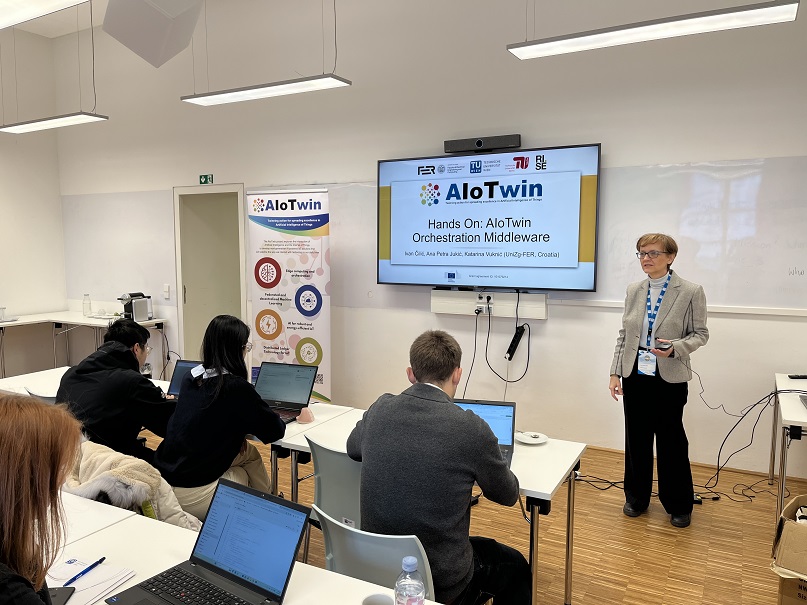
On 18 November, 2025, the AIoTwin team from UNIZG-FER held a tutorial session on the topic of “Orchestrating Hierarchical Federated Learning Pipelines with AIoTwin Middleware” at the 15th International Conference on the Internet of Things (IoT 2025).
The tutorial introduced Hierarchical Federated Learning (HFL) for the computing continuum and our extension for the Flower framework to support HFL. In addition, participants had a chance to explore and use in practice the AIoTwin middleware components for scalable orchestration of HFL pipelines across heterogeneous edge–fog–cloud infrastructures.
The tutorial is documented in a corresponding peer-reviewed open-access publication:
- Čilić, A. P. Jukić, K. Vuknić, I. Podnar Žarko (UNIZG-FER). Orchestrating Hierarchical Federated Learning Pipelines with the AIoTwin Middleware, Proceedings of the International Conference on the Internet of Things (IoT) Workshops 2025 1(1), 61-63. Vienna, Austria, November 18-21, 2025. doi (open access): https://doi.org/10.34749/3061-1008.2025.10
More technical details about the tutorial can be found at: https://aiotwin.eu/aiotwin/activities/tutorials.
A new article titled “Handling Dynamics in HFL Pipelines: The Need for Adaptive Orchestration”, authored by Ana Petra Jukić, has been published as part of the ongoing AIoTwin project blog series. The article reflects work carried out during and following the author’s short-term exchange at Technische Universität Berlin, focused on advanced orchestration strategies for Hierarchical Federated Learning (HFL).
The text discusses key challenges arising in dynamic environments, where HFL pipelines may become suboptimal due to node arrivals or departures, fluctuations in resource availability, or non-uniform data distributions. It outlines the importance of adaptive orchestration and provides an overview of the AIoTwin orchestration middleware, developed on Kubernetes, which monitors performance, resource usage, and cost metrics to support intelligent and timely reconfiguration of HFL pipelines.
The article also presents the Reconfiguration Validation Algorithm (RVA), a method used to assess whether newly applied configurations offer real improvements without exceeding defined budget constraints.
The full article is available here.
The AIoTwin project has released a new article in its ongoing blog series, focusing on Hierarchical Federated Learning (HFL) - an emerging approach designed to enhance the scalability and efficiency of distributed learning across Cloud-Edge-IoT (CEI) environments.
While traditional Federated Learning (FL) enables collaborative model training without sharing raw data, it often faces limitations in scalability and communication efficiency. HFL addresses these challenges by introducing an intermediate layer of edge aggregators, creating a robust, multi-tier learning architecture that supports more decentralized and resilient AI applications.
The blog post, authored by Katarina Vuknić following her research exchange at the Distributed Systems Group (DSG), TU Wien, as part of the AIoTwin project, explores several key aspects of HFL:
-
Communication Efficiency: How HFL significantly reduces uplink communication costs compared to flat FL architectures.
-
Trade-offs: Analyzing challenges such as convergence delay, gradient variance, and model divergence in multi-level aggregation setups.
-
Real-World Impact: Demonstrating the use of HFL in applications like smart farming and intelligent traffic management systems.
-
The AIoTwin Solution: Presenting the open-source Extension of the Flower Framework for HFL, a Python-based component that enables scalable client, local, and global aggregation across the CEI continuum.
The AIoTwin HFL solution offers a flexible, modular implementation of federated learning services designed to support distributed AI orchestration from the edge to the cloud. It represents a key step forward in advancing open, adaptive, and privacy-preserving machine learning for next-generation intelligent systems.
The full article is available here.
A new blog post has been published focusing on the Artificial Intelligence of Things (AIoT) and the outcomes of the AIoTwin project.
AIoT is revolutionizing the way humans and systems interact with the physical world by embedding intelligence directly into devices — from city cameras to industrial sensors. By integrating AI across Cloud-Edge-IoT (CEI) environments, AIoT enables systems that can learn, reason, and make autonomous decisions in real time.
However, this transition from cloud-only or edge-only AI to a full computing continuum introduces new challenges, including determining where AI models should run — in the cloud, at the edge, or across both.
The first blog post, authored by Ivana Podnar Zarko, explores several key aspects:
-
Real-time traffic monitoring as a practical AIoT use case
-
Cloud vs. edge-based AI: accuracy, latency, network load, and privacy trade-offs
-
Why hybrid deployments across the computing continuum are the future
-
Key technical challenges: optimal service placement, dynamic routing, federated learning, fault tolerance, and model updates
As a solution, the AIoTwin Orchestration Middleware has been introduced. Developed by researchers at IoTLab@FER (Ivan Čilić, Ana Petra Jukić, Katarina Vuknić) in collaboration with researchers from Technische Universität Wien (Pantelis Frangoudis, Anna Lackinger, Ilir Murturi, Alireza Furutanpey, Schahram Dustdar), the middleware delivers a suite of open-source tools — including the fl-orchestrator, Flower extension for HFL, and QEdgeProxy. These tools form the foundation for scalable, adaptive, and intelligent AIoT deployments spanning from the edge to the cloud.
The full blog post is available here, with additional technical articles from consortium members to follow.
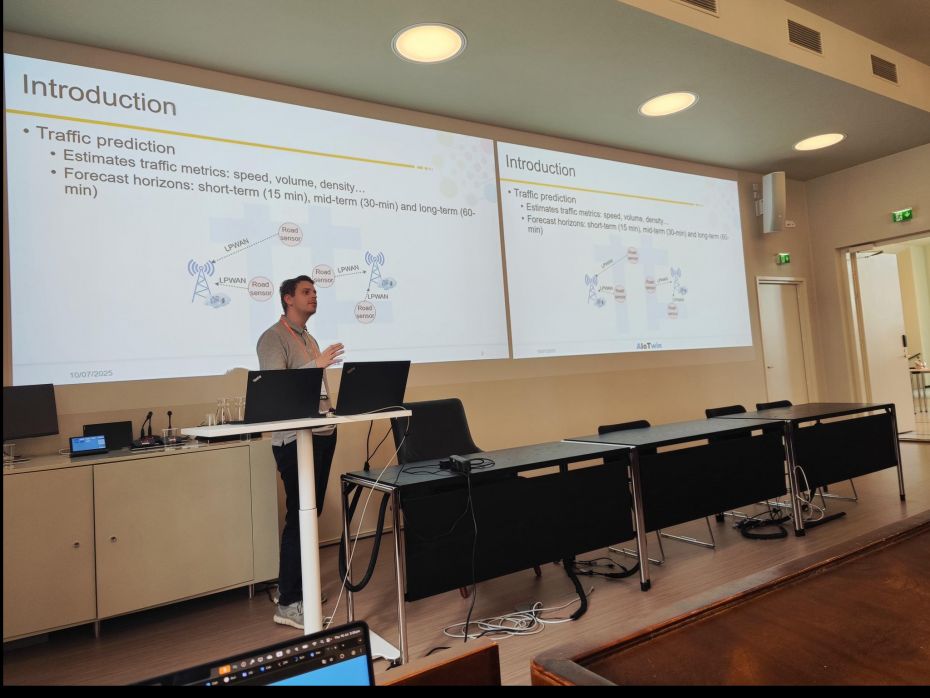
At the IEEE International Conference on Edge Computing and Communications - IEEE EDGE 2025 held in Helsinki, Finland, from July 7 to 12, 2025, the paper “Semi-decentralized Training of Spatio-Temporal Graph Neural Networks for Traffic Prediction” authored by Ivan Kralj, Lodovico Giaretta, Gordan Ježić, Ivana Podnar Žarko, and Šarūnas Girdzijauskas was presented. The paper was accepted after an international review and presented on-site by Ivan Kralj.
The work is the result of a collaboration between IoTLab at FER and RISE Research Institutes of Sweden. The paper explores semi-decentralized training approaches for Spatio-Temporal Graph Neural Networks (ST-GNNs) in the context of smart mobility systems, where large-scale, geographically distributed traffic sensors continuously generate high-frequency data. To address scalability and reliability limitations of centralized learning, the authors propose a cloudlet-based framework in which sensors are grouped by proximity and local ST-GNN models are trained cooperatively using different distributed learning paradigms.
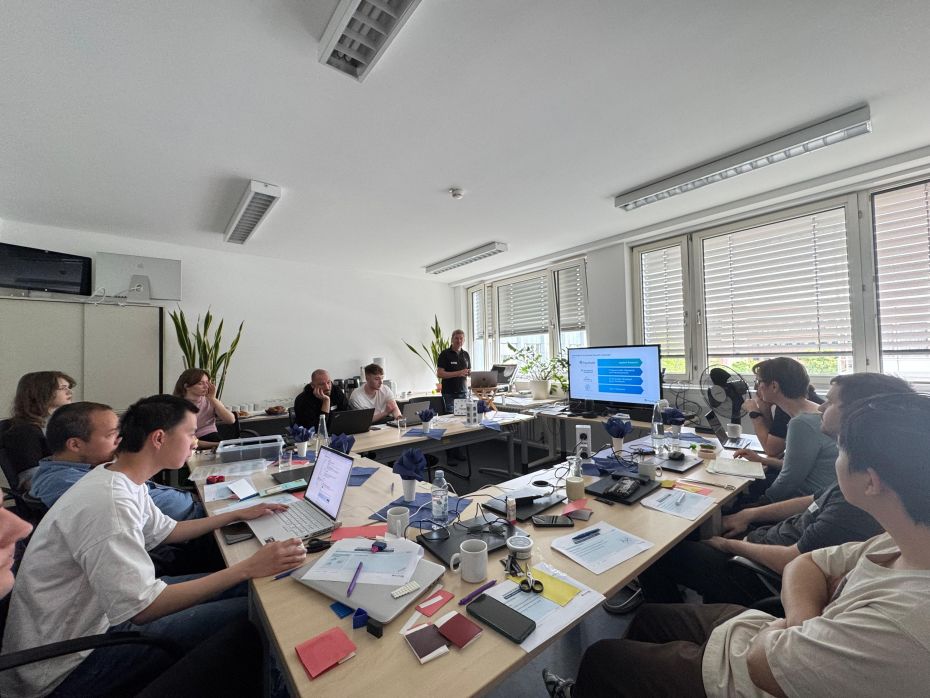
Berlin, 24.6.2025. The AIoTwin consortium is on the road again shortly after the 3rd Summer School.
Fraunhofer FOKUS, one of Germany’s leading institutes for applied research in ICT, organized the Business Development & Innovation Transfer Workshop to foster the commercialization of Artificial Intelligence of Things (AIoT) innovations developed within the AIoTwin project. A full-day focused workshop placed special emphasis on exploring the business potential of the consortium’s AIoT middleware, offering insights into technology transfer, market readiness, and commercialization strategies.
The one-day workshop featured a series of targeted presentations and collaborative challenges, fostering discussion and practical reflection on business development and innovation transfer strategies. Topics included:
-
Lean Canvas for structuring and validating AIoT business ideas
-
Technology Readiness Level (TRL), Market Readiness (MRL), and Product Readiness (PRL) assessments
-
Business model design and approaches for real-world implementation
Participants gained a deeper understanding of how to translate AIoT research into viable products and services. They left with validated business concepts, clearer market positioning, and concrete next steps for implementation.
For more pictures from the workshop, open the detailed news content.
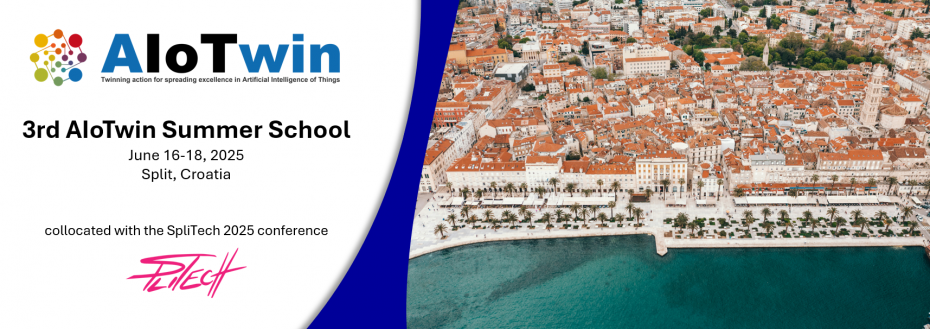
The detailed program for the third and final AIoTwin Summer School has been released. Set to take place from June 16 to June 18, 2025, in Split, Croatia, the event will focus on the intersection of Internet of Things (IoT) and Artificial Intelligence (AI).
The Summer School will be co-located with the 10th SpliTech Conference, offering attendees the unique opportunity to participate in both events. This collaboration will provide enhanced networking and learning opportunities, making it a must-attend for those interested in the latest developments in IoT and AI.
The detailed programme is available here.
More information about the summer school is available here.
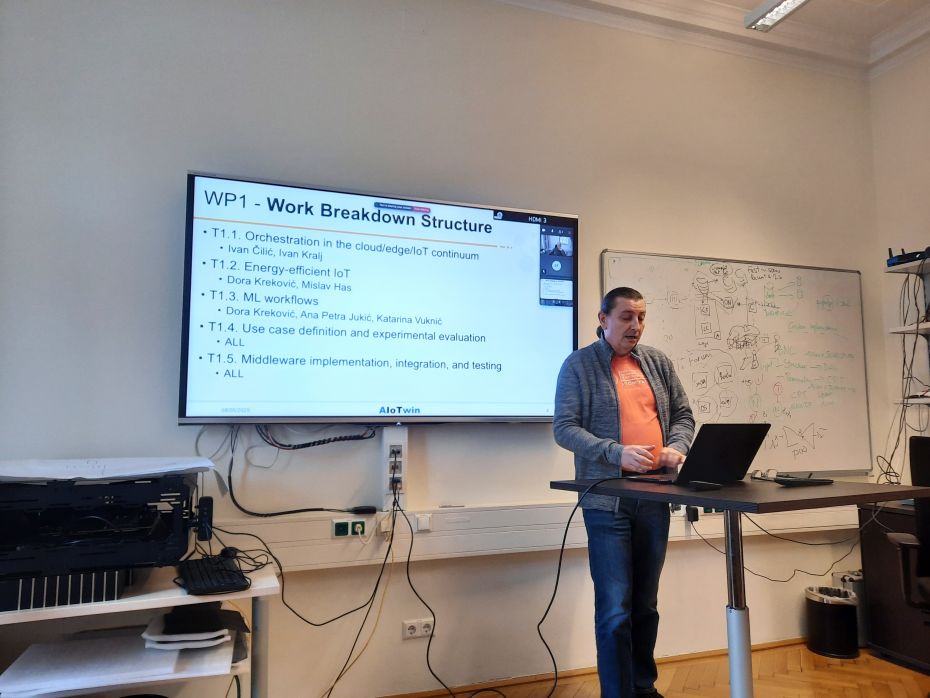
The AIoTwin consortium met in Vienna from May 6–9, 2025 for the plenary meeting, where they reviewed the project's progress and discussed the next steps. Alongside the plenary sessions, participants attended a talk, a tutorial, and a workshop, each aimed at enhancing their knowledge and supporting collaboration.
The meeting kicked off with a dedicated PhD student roundtable, fostering dialogue and exchange among PhD candidates within the consortium. This session provided a platform for emerging researchers to discuss their work and engage with fellow researchers.
On the second day, participants took part in an Innovation Management Workshop organized by TU Wien's Innovation Incubation Center (I2C), with Alexandra Negoescu leading the session. The workshop concentrated on strategies for translating academic research into practical applications, offering valuable insights into innovation, entrepreneurship, and technology transfer. Later in the day, Prof. Schahram Dustdar delivered a talk on “The Art and Science of Writing Publishable Research”, offering guidance on navigating the paper publishing process.
The day concluded with a tutorial on "Autonomous Orchestration of Computing Continuum Systems through Active Inference", presented by Boris Sedlak (TUW). The session provided practical knowledge, enhancing participants’ understanding of these emerging technologies.
The final two days were dedicated to plenary sessions, during which consortium members presented updates on work packages, shared progress, and engaged in discussions.
The consortium will be meeting soon again, in Split, Croatia, for the third and final AIoTwin Summer School, co-located with the SpliTech Conference. Find out how to participate here.
For more pictures from the plenary meeting, open the detailed news content.
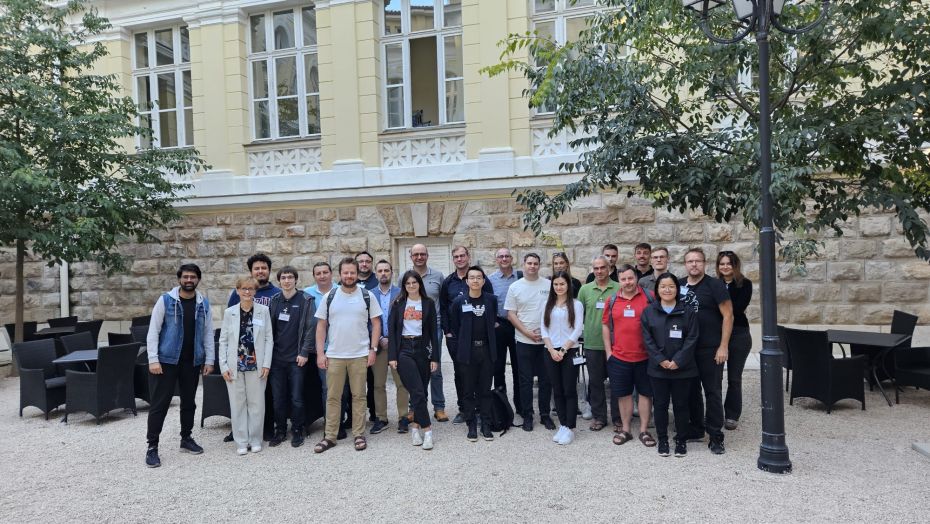
As we prepare for the 3rd and final AIoTwin Summer School, we’re taking a moment to reflect on the incredible experience we had in Dubrovnik, Croatia, during our 2nd Summer School. The event took place at the Centre for Advanced Academic Studies (CAAS) of the University of Zagreb, which offers a stunning view of Dubrovnik's Old Town's famous City Walls and Lovrijenac Fortress.
The event was organized in collaboration with the EU funded SmartEdge project. The summer school program included invited talks, technical tutorials, hands-on sessions with advanced hardware, poster sessions showcasing the latest research, and other insightful presentations and discussions. In addition, the program included a technical workshop on “Edge AI meets Swarm Intelligence“, featuring insightful presentations and discussions on cutting-edge research.
Take a look at the vibrant atmosphere from our 2nd Summer School — and don’t miss your chance to be part of the final edition in Split, Croatia, co-located with the 10th edition of the SpliTech conference!
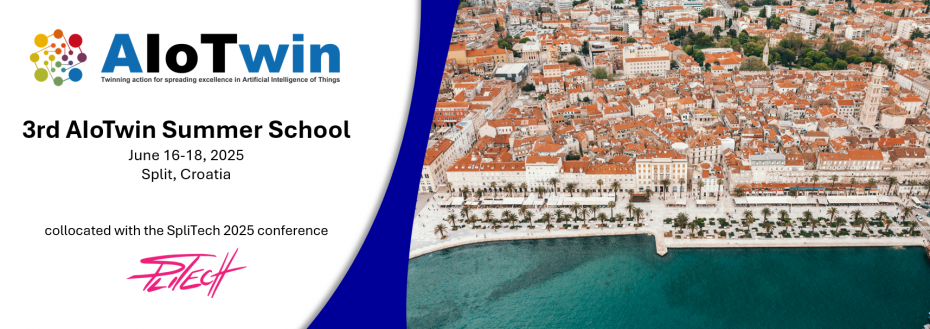
We’re excited to announce the 3rd and final edition of the AIoTwin Summer School, organized under the Horizon Europe Twinning project AIoTwin, taking place from June 16 to 18, 2025, in the stunning and historic city of Split, Croatia. The summer school will feature a rich and engaging program, including invited talks from leading researchers, technical tutorials, hands-on sessions with advanced hardware, and interactive discussions on emerging trends and research challenges.
🔗 Co-located with the SpliTech 2025 Conference (June 16–20)
The AIoTwin Summer School is co-located with the SpliTech 2025 Conference, taking place from June 16th to 20th in Split and on the nearby island of Brač (Bol). This co-location offers participants an exceptional opportunity to immerse themselves in a broader scientific and professional community, fostering interdisciplinary exchange and collaboration.
As part of the SpliTech program, the AIoTwin project will host a special session dedicated to AIoT and Edge Intelligence, focusing on topics such as the design of edge AI architectures, real-time data processing, continual learning, privacy and energy-aware solutions, and communication challenges in real-world applications.
ℹ️ Information
Register here: form
Registration deadline: May 16th, 2025
For more details on the event programme, registration, special session, and more, visit the 3rd Summer School page.
Don't miss this opportunity to be part of a transformative learning experience that's shaping the future of AIoT and Edge AI!
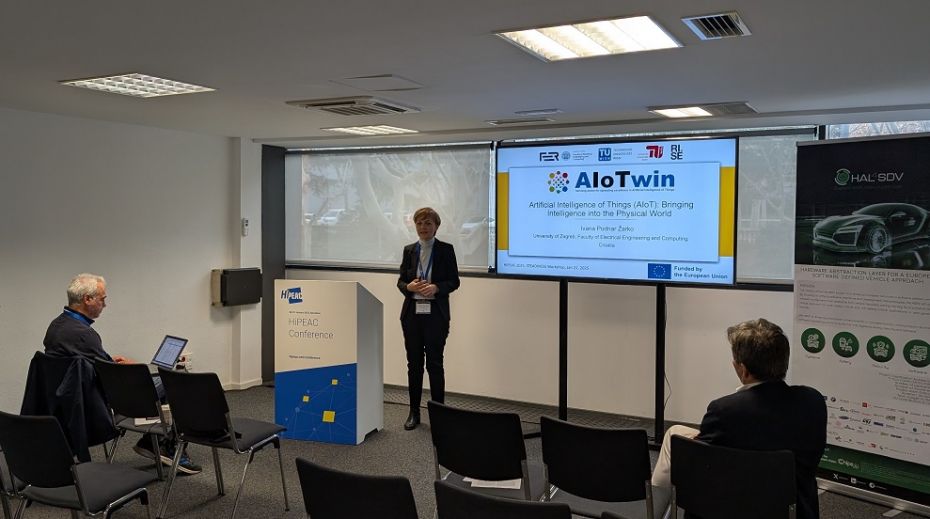
We're excited to share that Prof. Ivana Podnar Žarko, AIoTwin coordinator, presented the AIoTwin Orchestration Middleware at the STEADINESS workshop during HiPEAC 2025 in Barcelona (Jan 20-22, 2025)! 🚀
Her presentation, "Artificial Intelligence of Things (AIoT): Bringing Intelligence into the Physical World," highlighted the critical need for adaptive and QoS-aware orchestration middleware in the evolving IoT-edge-cloud continuum. This middleware, now open-source on our GitHub repository https://github.com/aiotwin, is designed to manage both learning and inference pipelines.
Prof. Podnar Žarko presented the requirements and architecture of our solution, which extends traditional orchestrators like Kubernetes with AIoT-specific capabilities. We're focused on optimizing resource utilization by considering both infrastructure-related QoS (latency, communication cost) and AI-related performance metrics (accuracy, loss).
Key takeaways from the STEADINESS workshop emphasized the necessity for:
- scalable and adaptable engineering methodologies, especially in safety-critical sectors like automotive, aerospace, and industrial automation;
- modular and interoperable solutions leveraging RISC-V and AI for embedded systems to enhance resilience and performance.
- clear AI regulation guidelines that balance innovation with ethical and security considerations.
For more information, check out the workshop's joint whitepaper: https://zenodo.org/records/14920027.
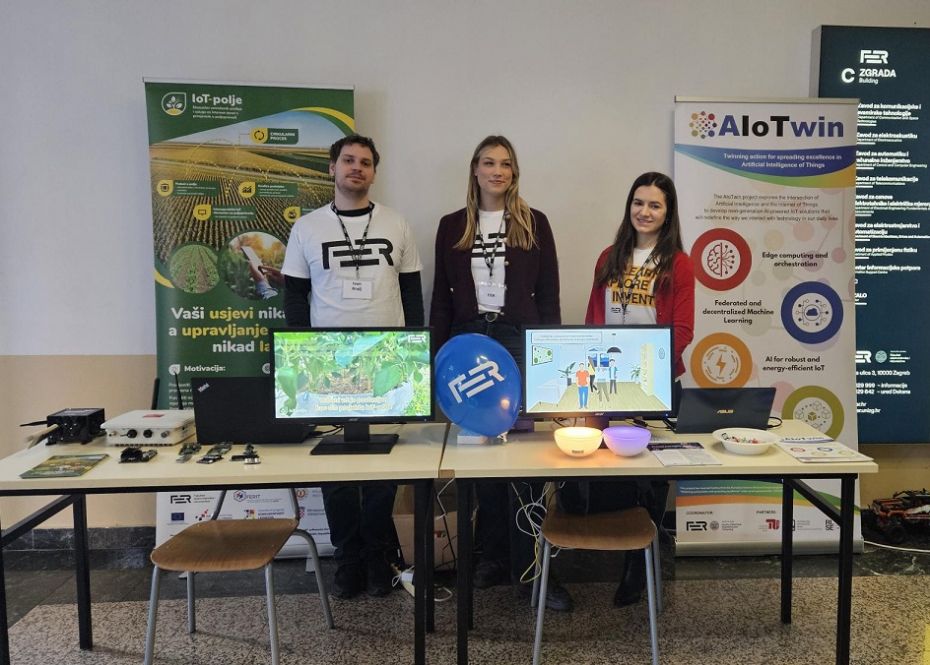
On Saturday, 23 November 2024, the Open Doors Day at the Faculty of Electrical Engineering and Computing (UNIZG-FER) took place, attracting many visitors of all ages. This event offered the public, especially primary and secondary school students, the opportunity to explore the study programmes available at FER and learn about ongoing research projects.
We used the opportunity to showcase our IoT solutions and projects, including activities within the 𝗔𝗜𝗼𝗧𝘄𝗶𝗻 project. Katarina Mandarić, Ivan Kralj, and Dora Kreković demonstrated our solutions for smart agriculture and smart homes, and spoke with prospective students to highlight how AI and IoT technologies contribute to the future of STEM and the wider community.
Thank you to everyone who visited and engaged with us. We look forward to future opportunities to connect and inspire.
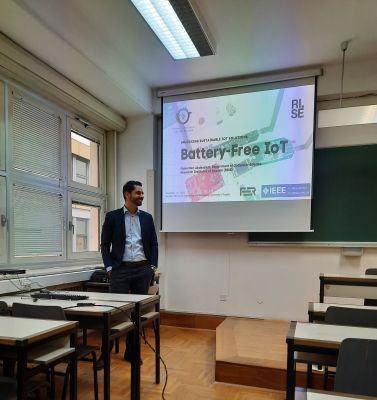
Dr. Fehmi Ben Abdesslem visited the University of Zagreb Faculty of Electrical Engineering and Computing between November 12th and 14th, 2024, as part of the AIoTwin project. His visit contributed to strengthening collaboration and knowledge sharing within the project.
On November 12th, Dr. Ben Abdesslem delivered a public talk titled "Battery-Free IoT", organized by the Croatian Section of IEEE. The talk, attended by members of the IoTLab involved in the AIoTwin project, sparked engaging discussions on the potential and challenges of energy-efficient, battery-free IoT solutions.
In the following two days, Dr. Ben Abdesslem led two interactive sessions for the IoTLab members. The first session, Lecture on WebAssembly for IoT, introduced the fundamentals of WebAssembly and its potential applications in the IoT domain. The second session, Hands-On Practice of WebAssembly for IoT, provided participants with practical experience in creating, compiling, and deploying WebAssembly modules for IoT devices. Both sessions were streamed online for the wider AIoTwin consortium, enabling broader participation.
More information about the visit, can be found here.
Ivan Kralj participated in the third short-term staff exchange within the AIoTwin project. The exchange took place from April 10 to May 9 2024 at Research Institutes of Sweden, RISE.
During this period, Ivan collaborated with RISE researchers to tackle cutting-edge challenges in decentralized machine learning and Spatio-Temporal Graph Neural Networks (ST-GNNs). The results of this exchange will be presented through a forthcoming conference and journal articles, building a strong partnership with RISE and advancing research in distributed ST-GNN training.
For those interested in a visual recap of this exchange, a YouTube video documenting highlights and key findings is available below:
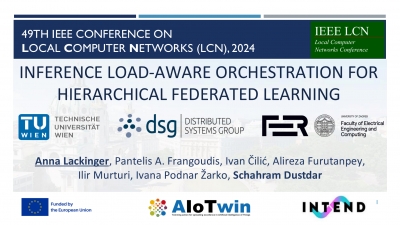
At the 49th IEEE Conference on Local Computer Networks (LCN), to be held from October 8th to 10th, 2024, in Caen, Normandy, France, Anna Lackinger will present the paper titled "Inference Load-Aware Orchestration for Hierarchical Federated Learning" on October 9th. The paper is co-authored by Anna Lackinger, Pantelis A. Frangoudis, Ivan Čilić, Alireza Furutanpey, Ilir Murturi, Ivana Podnar Žarko, and Schahram Dustdar.
This research is the result of a collaboration between the Distributed Systems Group (DSG) at TU Wien's Institute of Information Systems Engineering and the IoTLab at FER. The paper addresses the challenge of orchestrating machine learning workflows composed of hierarchical federated learning (FL) based training and model serving processes.
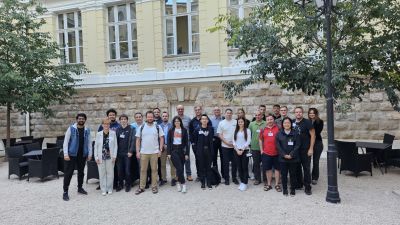
The Horizon Europe twinning project AIoTwin organised its 2nd Summer School on the intersection of Internet of Things (IoT) and Artificial Intelligence (AI) in September 2024 in the enchanting city of Dubrovnik, Croatia. The event took place at the Centre for Advanced Academic Studies (CAAS) of the University of Zagreb, which offers a stunning view of Dubrovnik's Old Town's famous City Walls and Lovrijenac Fortress.
The event was organised in collaboration with the EU-funded SmartEdge project and brought together more than 40 participants from all over Europe. The programme of the summer school included invited talks, technical tutorials and hands-on sessions, as well as the technical programme of the workshop “Edge AI meets Swarm Intelligence” with paper presentations and poster sessions showcasing the latest research results by PhD students.
Key highlights of the Summer School include:
- Keynotes by Aaron Ding (TU Delft) on sustainable and trustworthy edge AI for future computing, Stefan Nastic (TU Vienna) on computing paradigms for next-generation computing landscapes, Spyros Lalis (University of Thessaly) on elevating drones to first-class citizens in the cloud-edge-IoT continuum.
- Tutorials on doctoral education at KTH, insights on operating distributed computing continuum systems through active inference, exploring privacy-preserving computation techniques for edge AI, in-network programming and practical guidelines for startups with examples.
- Hands-on sessions included two open-source solutions: 1) AIoTwin orchestration middleware enabling edge orchestration of hierarchical Federated Learning workflows and 2) ColonyOS, an event-driven meta-operating system spanning edge and cloud environments.
- Joint technical workshop with the project SmartEdge on “Edge AI meets Swarm Intelligence”.
The event successfully promoted collaboration and networking between academics, PhD students and industry professionals through interactive sessions, giving researchers and participants the opportunity to share insights on edge AI, swarm intelligence and edge orchestration.
More information about the event with talk abstracts and slides can be found here, and photos from the event are included below ("More").
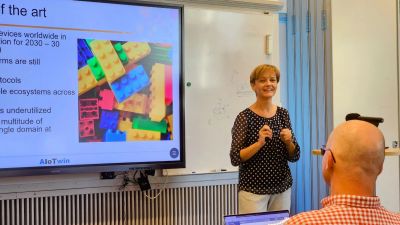
The project leader and head of the Internet of Things Laboratory at FER, Prof. Ivana Podnar Žarko, delivered a talk titled "Artificial Intelligence of Things (AIoT): Bringing Intelligence into the Physical World" at the Digital Futures cross-disciplinary research center in Stockholm, Sweden, on August 29th 2024.
The talk introduced the concept of AIoT as a continuous processing cycle consisting of four steps: sensing, learning, decision-making, and acting. This cycle was illustrated with concrete real-world use cases. The challenges of AIoT were also reviewed, highlighting its operation in a dynamic and heterogeneous environment with limited resources dedicated to real-time data processing, online learning, inference, and decision-making under time constraints. Additionally, it was noted that data streams from IoT devices are often incomplete, prone to errors, and unlabelled. The talk further emphasized that AIoT systems must adhere to strict privacy and security requirements to protect sensitive user data, ensure device integrity, and maintain the safety of the physical environment.
Find out more about the event and download the talk slides here.
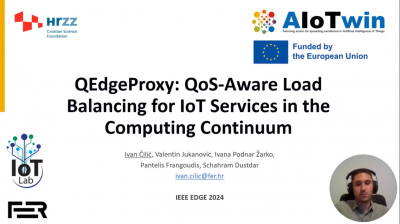
At the IEEE International Conference on Edge Computing and Communications - IEEE EDGE 2024 held in Shenzhen, China from 7 to 13 July 2024, the paper "QEdgeProxy: QoS-Aware Load Balancing for IoT Services in the Computing Continuum" by Ivan Čilić, Valentin Jukanović, Ivana Podnar Žarko, Pantelis Frangoudis, and Schahram Dustdar was presented. The paper was accepted after an international review and presented remotely by Ivan Čilić.
The work results from a collaboration between IoTLab at FER and DSG at TU Wien on orchestration and routing in Computing Continuum (CC). The paper introduces QEdgeProxy, an adaptive and QoS-aware load-balancing framework specifically designed for routing client requests to appropriate IoT service instances in the CC. QEdgeProxy integrates naturally within Kubernetes, adapts to changes in dynamic environments, and manages to seamlessly deliver data to IoT service instances while consistently meeting QoS requirements and effectively distributing load across them.
Following the success of the inaugural AIoTwin Summer School in Šibenik last year, we are delighted to announce the forthcoming second edition scheduled for September 16th to 20th 2024, set to take place in the enchanting city of Dubrovnik, Croatia.
The event will be organized in collaboration with the EU funded SmartEdge project. The summer school program includes invited talks, technical tutorials, hands-on sessions with advanced hardware, poster sessions showcasing the latest research by PhD students, and other insightful presentations and discussions. In addition, the program includes a technical workshop on “Edge AI meets Swarm Intelligence“, featuring insightful presentations and discussions on cutting-edge research.
The call for papers for the technical workshop on “Edge AI meets Swarm Intelligence“ is open by June 15th, 2024.
Join us to be part of a transformative learning journey shaping the future of AIoT and Edge AI.
🔶 Logistics
Dates: 16th to 20th September 2024
Venue: University of Zagreb / Sveučilište u Zagrebu Centre for Advanced Academic Studies (CAAS)
🔶 Tentative agenda
🔹 16-17 September – AIoTwin Summer School: Keynote talks, Tutorials, Hands-on sessions
🔹 18 September – Joint Sessions SmartEdge & AIoTwin:
Technical Workshop on “Edge AI meets Swarm Intelligence”, Poster session, SmartEdge open-door demonstration
🔹 19-20 September – SmartEdge Summer School: Keynote talks, Hands-on sessions
Further details regarding the Summer School schedule, activities and sign-up procedures will be circulated soon.
RISE recently organized a highly successful hands-on training tutorial on WebAssembly (Wasm) and Artificial Intelligence (AI) for the Internet of Things (IoT). The event welcomed participants from UNIZG-FER, TU Berlin, and TU Vienna, highlighting the widespread interest in these cutting-edge technologies.
During the morning session, led by expert Fehmi Ben Abdesslem, attendees delved into the fundamentals of WebAssembly and explored its potential to enable developers to execute high-performance code across diverse platforms. Moreover, the session explored the intersection of AI and IoT, shedding light on how AI algorithms can enhance IoT applications, making them more intelligent and efficient.
In the hands-on tutorial that followed, participants gained practical experience implementing WebAssembly modules and integrating AI functionalities into IoT devices. Guided by experienced instructors and real-world examples, attendees acquired essential skills to effectively leverage these technologies.
The event then transitioned into an afternoon Hackathon, providing participants with the opportunity to apply their newly acquired skills in a collaborative setting. Mentors were on hand to offer guidance and support as teams worked towards developing innovative IoT solutions. Overall, the event was a success, fostering learning, collaboration, and innovation in the exciting field of WebAssembly and AI for IoT.
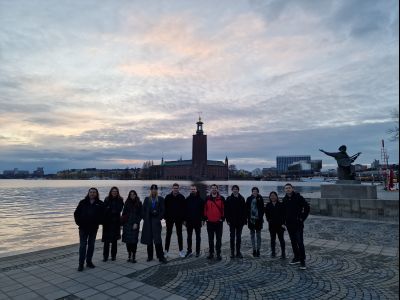
The AIoTwin Consortium held the AIoTwin Plenary Meeting in Stockholm on Thursday, April 18, 2024. The session commenced with an introductory overview of logistics, followed by comprehensive presentations detailing the status and planning of year 2 activities across various work packages. Attendees were briefed on the progress of demonstrators, test environments, and timelines, along with discussions on forthcoming calls relevant to AIoTwin. Additionally, updates were provided on reporting status, review preparation, and planning sessions for upcoming events such as the 2nd AIoTwin Summer School. Moreover, PhD students shared their research outcomes and future plans during the meeting.
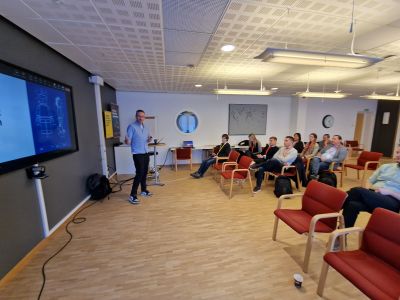
In today's landscape of rapid innovation, obtaining funding, facilitating collaboration and maintaining reproducible research standards are critical to driving progress. The first AIoTwin Research and Innovation Management Training, organized by RISE (Research Institutes of Sweden), brought together experts to address the various aspects of the dynamic research environment. Participants gained valuable insights and practical strategies to navigate this ever-evolving terrain.
Further details of the programme can be found below.
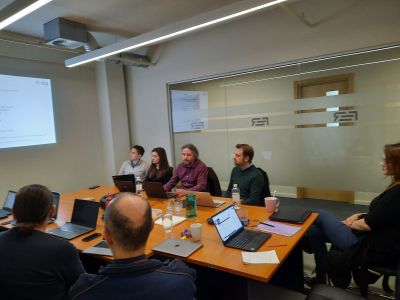
Dr. Pantelis Frangoudis & Dr. Ilir Murturi from TUW visited the University of Zagreb Faculty of Electrical Engineering and Computing as part of our AIoTwin activities. Their visit from February 26th to February 28th marked the second expert visit, demonstrating the collaboration and knowledge sharing on the AIoTwin project.
Dr. Frangoudis delivered a public talk titled “SMTaaS: Serving problem-solving workloads over the computing continuum” on February 26th at FER, hosted by the Croatian Section of IEEE, and attended by members of our IoTLab involved in the AIoTwin project, the talk spurred insightful discussions.
Following the talk, both mornings saw Dr. Frangoudis and Dr. Murturi leading interactive lectures tailored to the IoTLab members and streamed online to the rest of the AIoTwin consortium. Both lectures centered around Distributed Computing Continuum Systems, with Dr. Frangoudis focusing on the introduction, technologies, and orchestration aspects, while Dr. Murturi covered emerging approaches for intelligent, self-adaptive, and secure operation.
The slides of the public talk, and more information about the visit, can be found here.
We're excited to share a recap of our achievements in 2023, a year in which we set out to advance research and innovation in the field of Artificial Intelligence of Things (AIoT) through a collaboration between the University of Zagreb - Faculty of Electrical Engineering and Computing (FER), Technische Universität Wien (TUW), Technische Universität Berlin (TUB), and Research Institutes of Sweden (RISE).
Key Moments: A Year in Review
-
Kick-off Meeting in January: We launched the project with a dynamic kick-off meeting, setting the course for Y1 of the project.
-
Short-Term Staff Exchange: Ivan Čilić from FER took part in a short-term staff exchange at TUW, fostering knowledge exchange and collaboration.
-
Public Presentation: Prof. Ivana Podnar Žarko presented the project to a wider audience during the National Information Day of the Horizon Europe Programme in Croatia and presented our vision of AIoT which brings artificial intelligence into our physical environment.
-
Hands-on Workshop: TUB organized an intensive hands-on workshop on knowledge graphs, AI models with VisionKG, and learning on edge devices with Flower, providing participants with practical insights.
-
Technical Blog Post: Jicheng Yuan and Duc Manh Nguyen from TUB published their first technical blog post on training AI models with VisionKG, demonstrating our cutting-edge research.
-
AIoTwin Summer School: We hosted the inaugural AIoTwin Summer School in Šibenik, Croatia, bringing together renowned experts and researchers for a stimulating event with keynote talks, tutorials, hands-on training, and a poster and pitch session for PhD students.
-
Expert Visit: Lodovico Giaretta from RISE delivered three presentations on Graph Neural Networks and Graph Representation Learning in decentralized environments during an expert visit to FER, further deepening our collaboration.
-
Croatian Symposium on Artificial Intelligence: Prof. Ivana Podnar Žarko presented the project at the Symposium on AI organized by the Croatian Academy of Sciences and Arts (HAZU), showcasing our contributions to the field of AIoT.
-
Open Day Demonstration: We presented the AIoTwin project to enthusiastic visitors during the Open Day at FER, generating interest in our work.
Stay tuned for more exciting updates in 2024!
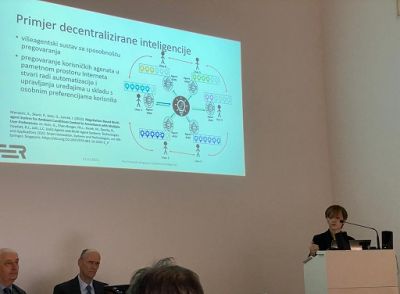
AIoTwin project coordinator Prof. Ivana Podnar Žarko gave a presentation on "Artificial Intelligence for Internet of Things Devices" at the First Croatian Symposium on Artificial Intelligence organized by the Croatian Academy of Sciences and Arts (HAZU) on 21 November 2023. She highlighted the new concept of Artificial Intelligence of Things (AIoT), which brings artificial intelligence into our physical environment and removes the boundaries between the physical and digital worlds. This new concept is being explored by the AIoTwin consortium to find new opportunities and solutions for device intelligence and autonomy in the physical environment.
The presentation (in Croatian) is available on the symposium website: https://www.hrui.org/program.
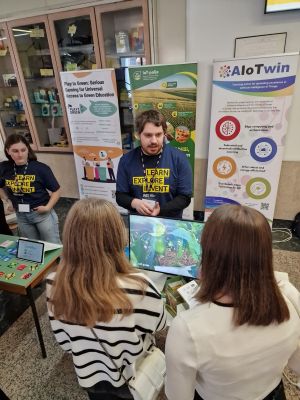
On Saturday, November 25, 2023, the Open Doors Day of the Faculty of Electrical Engineering and Computing (FER) took place and attracted numerous visitors. This event offered the public, especially high-school students, the opportunity to explore the study programmes available at FER and learn about the ongoing research projects. Numerous departments and laboratories showcased their work, including the Internet of Things Laboratory.
Ivan Kralj, Katarina Mandarić, Ivan Čilić, Dora Kreković, and Mislav Has presented the recently completed IoT-field project, which encompasses a comprehensive IoT solution from sensors through an interoperable platform to a user application for monitoring crops and meteorological conditions in the field. Attention was also drawn to the urban garden set up in the FER courtyard and the quantity of the harvest.
Visitors were particularly interested in the involvement of students in projects, and it was emphasized that, over the course of more than 3.5 years of the IoT-field project, students were actively engaged, resulting in a significant number of group projects, as well as undergraduate and graduate theses.
In addition to IoT-field, we presented the AIoTwin project, highlighting our collaboration with technical universities in Vienna and Berlin, as well as the RISE research center in Sweden. A new concept, the Artificial Intelligence of Things (AIoT), was introduced and explained. AIoT brings artificial intelligence into our physical environment and removes the boundaries between the physical and digital worlds, opening up new possibilities for device intelligence and autonomy in the physical environment.
Furthermore, assistants shared their experiences and impressions from their undergraduate, graduate, and doctoral studies with the visitors, mostly high school seniors and eighth-grade elementary school students.
This Open Doors Day of FER has, traditionally, proven to be extremely informative, contributing to the promotion of studies and science.
More photos from the event can be found below.
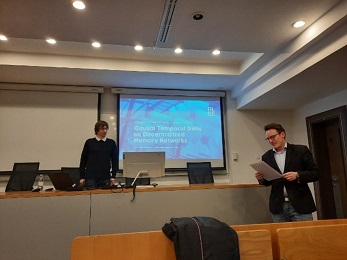
Dr. Lodovico Giaretta (RISE) was the first expert to visit UNIZG-FER from 8th to 10th November 2023 as part of the AIoTwin activities. Lodovico presented a series of three lectures with a special focus on Graph Neural Networks (GNNs) and decentralized systems and shed light on these cutting-edge technologies.
On November 8th, he gave a public talk entitled "Causal Temporal GNNs as Decentralized Memory Networks," , co-organized by the IEEE Croatian Section, which was open to the general public to provide a broad audience with a glimpse into the evolving landscape of GNNs and decentralized systems.
In contrast, the following two presentations were tailored for members of the AIoTwin project, offering a more specific exploration of these cutting-edge technologies.
- Decentralised Data Mining using Gossip Protocols: This lecture introduced the broad family of Gossip Protocols and presented a detailed analysis of a few key use cases and specific techniques.
- Graph Representation Learning with Graph Neural Networks: This lecture introduced the broad topic of Graph Representation Learning (GRL), with a particular focus on Graph Neural Network (GNN) techniques.
During the lectures Lodovico explored the foundational principles of GNNs, their diverse applications, and the inherent challenges associated with decentralized systems. Attendees gained a better understanding of the dynamic nature of graphs, the implications of temporal changes on algorithms, and the intricacies of decentralized inference in GNNs.
Are you interested in applying for a postdoctoral research fellowship in the field of AI and IoT or distributed systems in general?
Candidates with a PhD degree can apply for a scholarship (EUR 3,625.00 per month, non-taxable) granted by the Croatian Science Foundation. Only citizens of the EU or a country associated with the Horizon Europe program can apply.
A postdoc would work at FER under the supervision of Prof. Ivana Podnar Žarko, the AIoTwin coordinator, as a member of the IoTLab within the Twinning project - AIoTwin - funded by the Horizon Europe program from June 1, 2024 to December 31, 2025 (exact dates are flexible).
The Croatian Science Foundation is accepting applications for this position until December 1. Contact Prof. Ivana Podnar Žarko <ivana.podnar@fer.hr> as soon as possible if you are interested.

The 1st AIoTwin Summer School was a 3-day event held at the historic St. John’s Fortress in Šibenik, Croatia, September 4-7, 2023. The event brought together participants from academia, both renowned experienced researchers and PhD students, to exchange ideas and learn about the latest advances at the intersection of AI and IoT. The summer school was organized by the AIoTwin consortium, a Horizon Europe project that aims to strengthen research and innovation excellence in AIoT in Croatia and other EU Member States.
Key highlights from the Summer School include:
- Keynotes by Petar Šolić on alternative sensing, Danh Le Phuoc on using knowledge graphs to build perceptual IoT systems, Thiemo Voigt on the road to in body and battery-free IoT, and Alexander Artikis on complex event recognition.
- Tutorials on LPWA protocols, the IMUNES network emulator for performance evaluation of edge deployments, orchestration aspects in distributed computing continuum systems, decentralized graph mining, successful PhD journey, and proposal writing and evaluation of collaborative Horizon Europe projects.
- Hands-on sessions on federated learning for IoT edge devices using a small cluster of Jetson Nano and Xavier devices (specially transported from Berlin to Šibenik!) to jointly train models without sharing raw data, and on the framework for creating high-level Service Level Objectives (SLOs) to enforce them in cloud and edge environments.
- PhD poster and pitch session where PhD students presented their research on a variety of innovative topics.
The event provided a valuable opportunity for participants to network with other experts in the field and to be inspired to pursue careers in AIoTwin research and development.
The AIoTwin consortium is committed to organizing future summer schools and other events to promote research and innovation in AIoT.
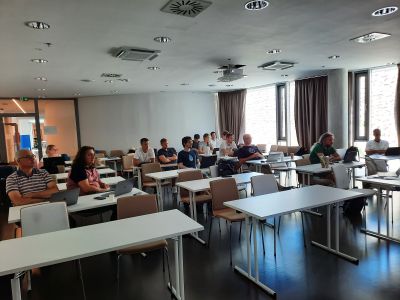
After the successful completion of the 1st AIoTwin Summer School, the AIoTwin Consortium held the Plenary Meeting in Šibenik on Friday, September 8, 2023. The work package leaders presented the status of activities in their work packages, reviewed the achieved KPIs and set the plans for the following period until the end of 2023. Here are some highlights:
- one short-term staff exchange was successfully completed, another is still planned until the end of 2023
- two short-term trainings were successfully organized in 2023
- one expert visit is planned for October/November 2023
- the first summer school has achieved all set objectives
- all 4 Research Domains were covered by the project activities, with a strong focus on RD1 and RD2
- two joint conference publications and one joint journal publication are planned and on their way.
We are looking forward to the new project results!
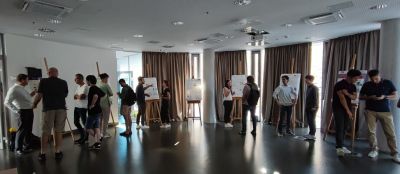
The first PhD forum within the scope of the AIoTwin project was held as a part of the 1st AIoTwin Summer School in Šibenik from September 4th to September 7th, 2023. 11 PhD students actively participated and presented their research topics and the results obtained within their doctoral studies through the short pitch-talk presentations. Afterwards, the participants had the opportunity to discuss their research ideas and contributions with other participants and senior researchers from the AIoTwin consortium at the poster session.

We are thrilled to announce that the final program for the 1st AIoTwin Summer School is now available! The programme includes four keynote lectures, six comprehensive tutorials and two intensive hands-on workshops. In addition, we are organizing a boat trip and a visit to the St. Nicholas' Fortress, which is a UNESCO World Heritage Site.
Programme Details: https://www.aiotwin.eu/_download/repository/SummerSchool2023-DetailedProgram-v1.pdf
The AIoTwin Consortium is looking forward to this exciting learning journey at the intersection of the Internet of Things and Artificial Intelligence.
We call for doctoral students to participate in the PhD Forum organised as part of the 1st AIoTwin Summer School in Šibenik, Croatia on September 6, 2023.
The PhD Forum offers doctoral students the opportunity to present their work and discuss the details of their original contribution with top academics – professors and senior researchers working in the field of IoT and AI - from leading European universities. The aim is also to encourage interaction and networking between doctoral students from different universities.
Deadline for submission of Extended Abstracts: August 25, 2023
Further information about the PhD Forum and particpation is available here.
And all information (programme, venue, registration) about the 1st AIoTwin Summer School can be found here.
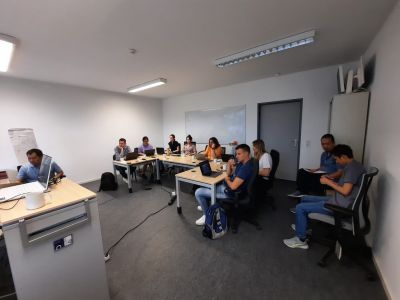
Berlin, Germany - TU Berlin hosted a highly successful and intensive hands-on workshop on Knowledge Graphs, AI Models with VisionKG, and Learning on Edge Devices with Flower from June 20 to June 22, 2023. Participants from UNIZG-FER, TU Vienna, and TU Berlin gained valuable insights into the latest advancements and practical applications of these technologies.
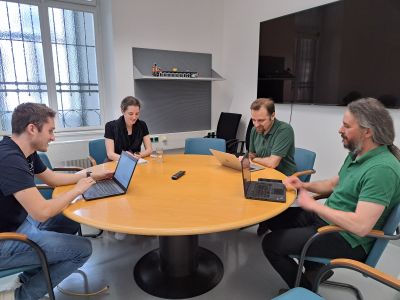
Ivan Čilić participated in the first short-term staff exchange within the AIoTwin project. The exchange took place from April 15 to June 4 2023 at the Distributed Systems Group (DSG) at TU Vienna.
Through workshops, discussions, and cutting-edge research, Ivan and colleagues from DSG started the collaboration in the area of hierarchical and adaptive federated learning in IoT edge environments. The results of the exchange will be presented in the form of a journal article with the following working title: Adaptive Orchestration of Federated Learning Workflows. The exchange has facilitated the establishment of a close partnership and opens the doors for future joint research tasks.
In this YouTube video, you can see what a researcher's day at TU Vienna looks like:
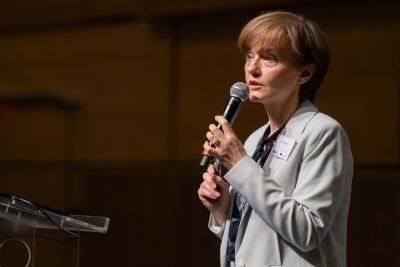
The first public presentation of the project was held on May 24, 2023, during the National Information Day of the Horizon Europe Programme, organized by the Agency for Mobility and EU Programmes. The project coordinator Ivana Podnar Žarko presented the objectives and activities of the project, as well as the expected results, outcomes and long-term impact. She also explained the process of proposal preparation, from the selection of research topics, SWOT analysis of IoTLab and formation of the consortium, to the definition of project activities.
We hope that the presentation will encourage participants to prepare new project proposals for Horizon Europe calls under the "Widening participation and spreading excellence” sub-subprogramme.
More information about the event is available here.

We are pleased to announce that the first AIoTwin Summer School will be held in Šibenik, Croatia. Šibenik is a unique city on the Adriatic coast with two UNESCO World Heritage Sites: The Cathedral of St. James (Šibenik Cathedral) and the Fortress of St. Nicholas.
Dates: 4-8 September, 2023
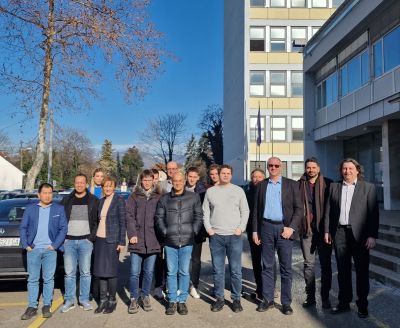
We launched the project “AIoTwin: Twinning action for spreading excellence in Artificial Intelligence of Things” on January 1, 2023, funded by the European Union under the Horizon Europe programme.
The AIoTwin kick-off meeting took place from January 31st to February 1st 2023 in sunny Zagreb, Croatia, at the Faculty of Electrical Engineering and Computing of the University of Zagreb (UNIZG-FER). 16 participants from all four partner countries took part in the fruitful discussions to launch the project activities by getting acquainted with each other’s expertise and technological offerings, and also discussing the details of future collaboration aiming at cutting-edge research in artificial intelligence for the Internet of Things.